Mastering the Tie: A Guide for Students
Mastering the Tie: A Guide for StudentsThis guide provides an introduction to the essential skills and knowledge necessary for students to master the tie. It covers the history and types of ties, as well as the correct way to wear them. The guide also includes instructions on how to tie a tie properly, from basic knots to more advanced styles. Additionally, it provides advice on matching ties with outfits and occasions, as well as tips on maintaining and cleaning ties. This guide is an excellent resource for students who want to learn about the art of wearing a tie and how to make a statement with their attire.
Introduction:
In the journey of growing up and learning new skills, learning to wear a tie is an essential rite of passage for many students. It marks a transition from childhood to adulthood, from casual attire to a more formal and sophisticated style. This guide aims to equip students with the knowledge and skills necessary to wear a tie confidently and with pride.
Understanding the Basics of Tie Wear

Wearing a tie is not just about fashion; it's also about understanding the rules and regulations that come with it. Here are some basics that students should know before attempting to wear a tie:
1、Types of Ties: There are various types of ties, including the classic four-in-hand, the skinny tie, and the bow tie. Students should choose a tie that suits their personality, clothing style, and the occasion for which they are wearing it.
2、Proper Length and Width: Ties should be neither too long nor too short, and their width should match the collar of the shirt. A good rule of thumb is that the widest part of the tie should rest at the center of the shirt's collar when tied properly.
3、Matching Colors and Patterns: When choosing a tie, students should consider matching it with their shirt, suit, or outfit. Solid-colored ties are easier to match than those with patterns, but patterns can add a unique style to an outfit if done correctly.
The Process of Tie-tying: A Step-by-Step Guide for Students
1、Selecting the Right Knot: There are several types of tie knots, including the Windsor knot, the Four-in-Hand knot, and the Half-Windsor knot. Students should choose a knot that is comfortable and suitable for their collar type and preference.
2、Preparing the Tie: The tie should be aligned properly with the collar of the shirt. The wide end (or "tail") should be longer than the narrow end (or "tip").
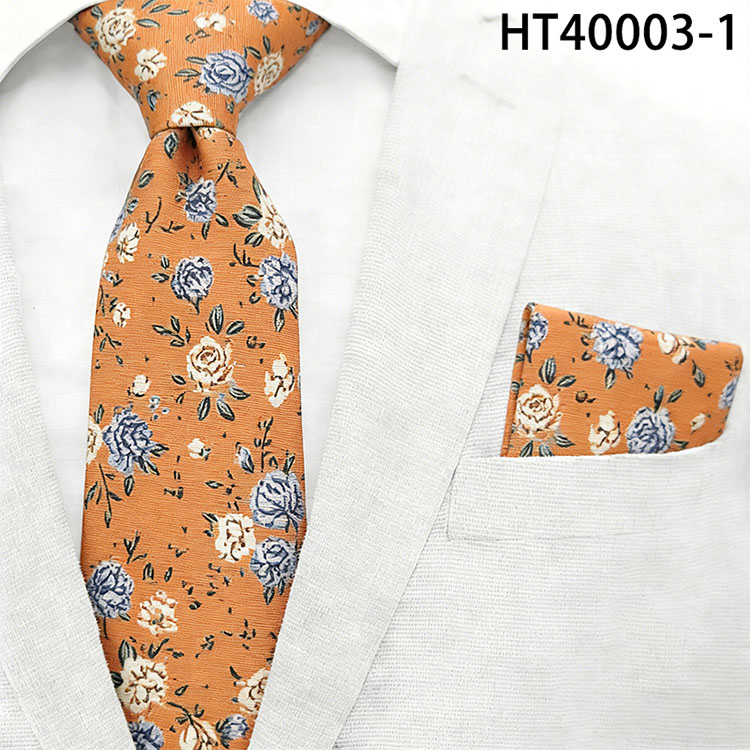
3、Step-by-Step Instructions: Here's a simple guide to tying a tie using the Four-in-Hand knot:
a. Cross the wide end over the narrow end.
b. Pass the wide end under and then back over itself.
c. Bring the wide end through the resulting loop and pull it up to tighten the knot.
d. Adjust the knot to ensure it sits properly on the collar and is symmetrical.
e. Finally, tuck in any loose ends or wrinkles to complete the look.
Table 1: Common Tie Knots and Their Descriptions

| Tie Knot | Description | Image/Diagram |
| Windsor Knot | A classic and symmetrical knot that is often used for formal occasions | [Insert Image] |
| Four-in-Hand Knot | A simple and easy knot that is suitable for everyday wear | [Insert Image] |
| Half-Windsor Knot | A variation of the Windsor knot that is slightly smaller and more compact | [Insert Image] |
| Other Knots | There are many other types of tie knots available, including the Pratt Knot, the Trinity Knot, etc. | [Insert Image with options] |
Maintaining and Care for Ties
To ensure that ties remain in good condition and last longer, students should follow these care instructions:
1、Dry Cleaning: Avoid washing ties in a washing machine as this can damage them. Instead, take them to a dry cleaner or hand wash them gently with mild soap and water.
2、Storage: Store ties properly to prevent creases or damage. Hang them on a tie rack or roll them carefully before storing in a drawer. Avoid folding them in half as this can cause creases.
3、Regular Use: To keep ties in good condition, wear them regularly or at least occasionally. If not worn for long periods, ties can become brittle and prone to damage.
Conclusion:
Learning to wear a tie is an important milestone in any student's life, marking a transition from childhood to adulthood and a more formal style of dressing. This guide has provided an overview of the basics of tie wear, including types of ties, proper length and width, matching colors and patterns, tying instructions, and care instructions for maintaining ties. With these skills and knowledge, students can wear a tie confidently and with pride.
扩展阅读
Articles related to the knowledge points of this article::
The Changing of the Monastic Collar: A Tale of Transformation
Title: Mastering the Art of Tie Wholesale: A Comprehensive Guide to Buying in Bulk
Title: Exploring the World of High-Quality Chinese Wholesale Ties in Guangdong Province
Title: Exploring the World of Childrens English Tartan Tie Wholesale: A Comprehensive Guide
Title: Discovering Guangzhou: A Guide to Wholesale Ties Shopping