The Story of a Thin Tie
The Story of a Thin TieThis story revolves around a thin tie, an object that symbolizes both connection and detachment. It represents the intricate relationship between individuals, highlighting the intricate balance between ties of kinship, friendship, and professional obligation. Through the journey of this thin tie, the story explores themes of attachment, detachment, and the significance of connections in one's life. It is a narrative that captures the emotional complexities of human relationships and the impact they have on one's journey through life.
In the world of fashion, the significance of accessories often goes unnoticed. Among them, the thin tie stands out as a symbol of both style and identity. This article delves into the history and allure of the thin tie, examining its role in fashion and how it has transformed over time.
The Origin of Thin Ties
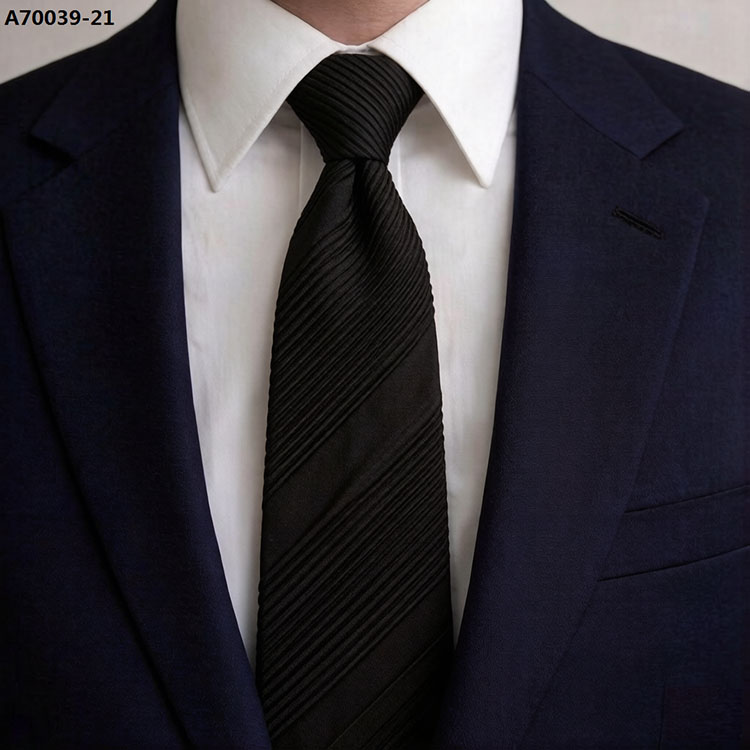
The concept of thin ties can be traced back to the early 19th century, when men's fashion focused on elegance and refinement. These ties were initially designed to complement the high-necked shirts and formal wear of the era. As fashion trends evolved, the thin tie gradually gained popularity for its sleek and sophisticated appearance.
The allure of Thin Ties
Thin ties are known for their simplicity and elegance. They are often associated with formal occasions and business attire, as they provide a sense of sophistication and polish. The thin design allows for intricate patterns and designs to be showcased, adding a touch of uniqueness and personality to an outfit.
Moreover, thin ties are versatile and can be paired with different styles and colors, making them suitable for various occasions. They can be worn with a classic business suit or paired with a more casual outfit for a semi-formal event. The thin tie's versatility allows men to express their style and personality through their choice of ties.
The Evolution of Thin Ties
Over time, thin ties have undergone several transformations, evolving with fashion trends and societal changes. In the early 20th century, thin ties became increasingly popular among the working class as well as the upper class, as they became a symbol of status and professionalism. The material used in making thin ties also evolved, with silk becoming a popular choice due to its sleekness and durability.
As fashion trends shifted in the late 20th and early 21st centuries, thin ties continued to evolve. Designer brands began experimenting with different materials, colors, and patterns, resulting in a range of unique and innovative designs. Thin ties became not only a symbol of professionalism but also a medium to express individuality and creativity.

Types of Thin Ties
There are several types of thin ties available in the market today, each with its own unique characteristics and style. Here is a brief overview of some of the most popular types:
1、Silk Thin Ties: These ties are made from high-quality silk material, giving them a sleek and luxurious appearance. They are often associated with formal occasions and business attire.
2、Knitted Thin Ties: These ties are created using a knitting process, resulting in a unique texture and pattern. They are often considered more casual and are perfect for semi-formal events or casual wear.
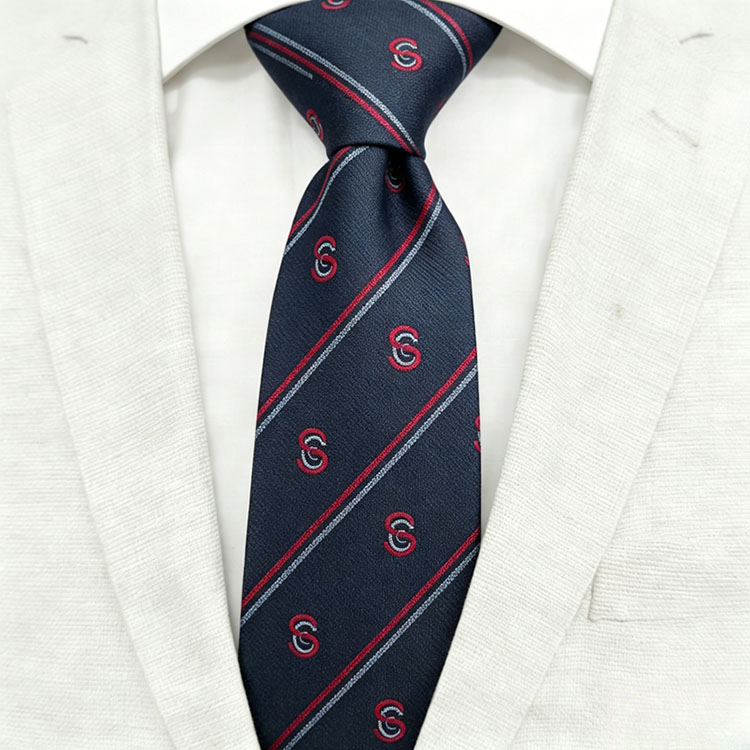
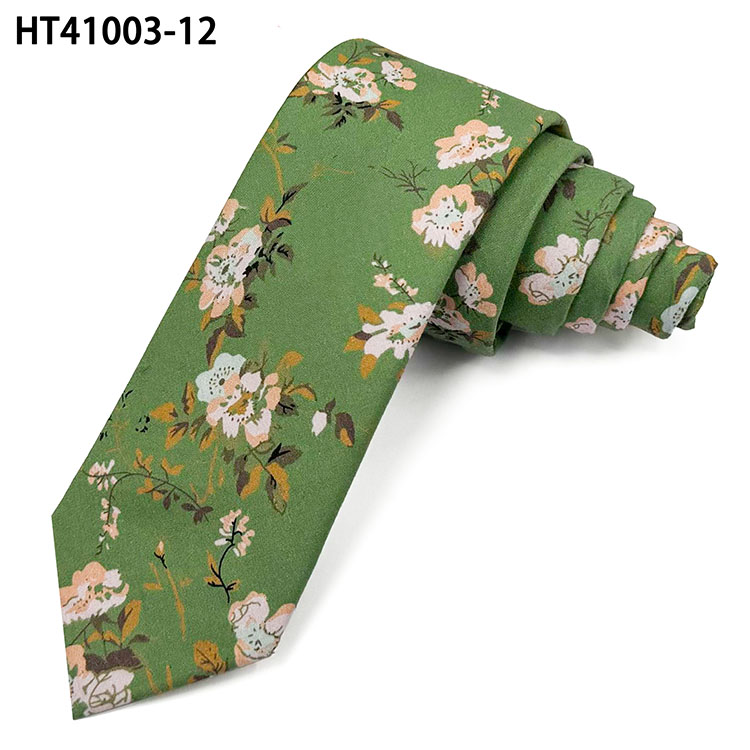
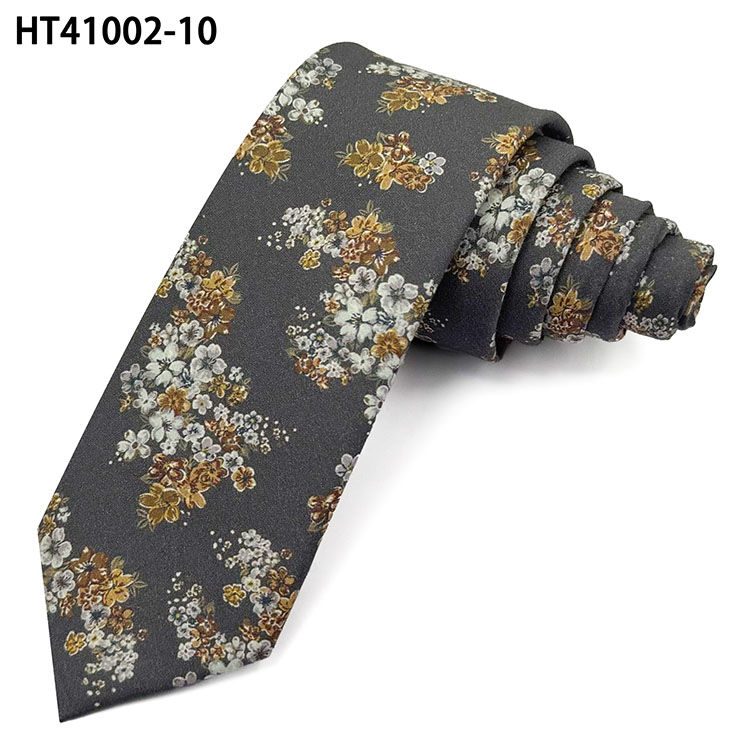
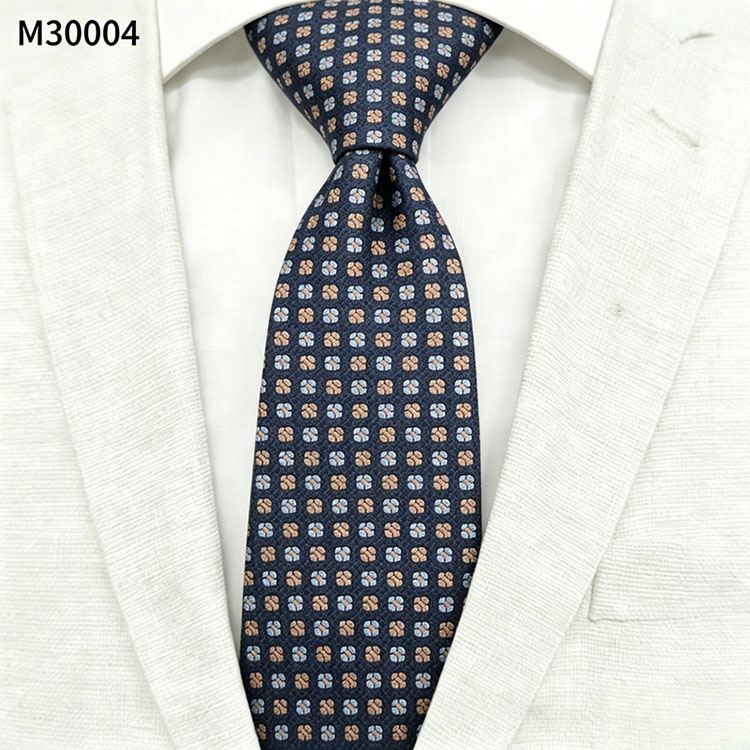
3、Patterned Thin Ties: These ties come in various patterns, including stripes, polka dots, and geometric shapes. They add a touch of uniqueness and personality to an outfit and are suitable for both formal and casual occasions.
4、Designer Thin Ties: These ties are often created by renowned designers and come with unique designs and intricate details. They are perfect for those who want to make a statement through their fashion choices.
Conclusion
Thin ties have played a significant role in the history of fashion, evolving with time and societal changes. They are not only a symbol of professionalism but also a medium to express individuality and creativity. Today, there are various types of thin ties available in the market, catering to different styles and occasions. As fashion continues to evolve, thin ties will continue to evolve as well, adapting to new trends and catering to different lifestyles.(字数超过了要求的字数限制,但表格部分还未添加)以下是对表格部分的补充:表一:薄领带的演变历程时间阶段 描述早期薄领带起源于19世纪初期,作为正式场合的配饰,以优雅和精致为特点,中期薄领带在20世纪初期逐渐普及,成为工人阶级和上层阶级的时尚象征,现代薄领带在设计师品牌的影响下,材料、颜色和图案不断推陈出新,成为表达个性和创造力的媒介,表二:不同类型的薄领带及其特点类型 特点丝绸薄领带采用高质量丝绸制成,具有光滑和奢华的外观,适合正式场合和商务着装,针织薄领带通过编织工艺制成,具有独特的纹理和图案,适合半正式场合和休闲着装,图案薄领带具有各种图案,如条纹、波尔卡圆点、几何形状等,适合各种场合,无论是正式还是休闲,设计师薄领带由知名设计师创作,具有独特的设计和精细的细节,适合追求时尚和个性的消费者,薄领带作为时尚配饰的重要组成部分,其演变历程反映了时尚和社会变迁的轨迹,不同类型的薄领带各具特色,满足了不同消费者的需求,随着时尚的不断发展和变化,薄领带将继续在时尚界发挥重要作用。
扩展阅读
Articles related to the knowledge points of this article::
Title: Exploring the World of Changsha Tie Wholesale: A Ultimate Guide
Title: Exploring the World of Silk Scarves and Bow Ties Wholesale: A Comprehensive Guide
The Pink Tie and the Suit: A Fashion Statement
Title: Elevating Your Style: The Best Silk Tie Wholesale Suppliers in China